
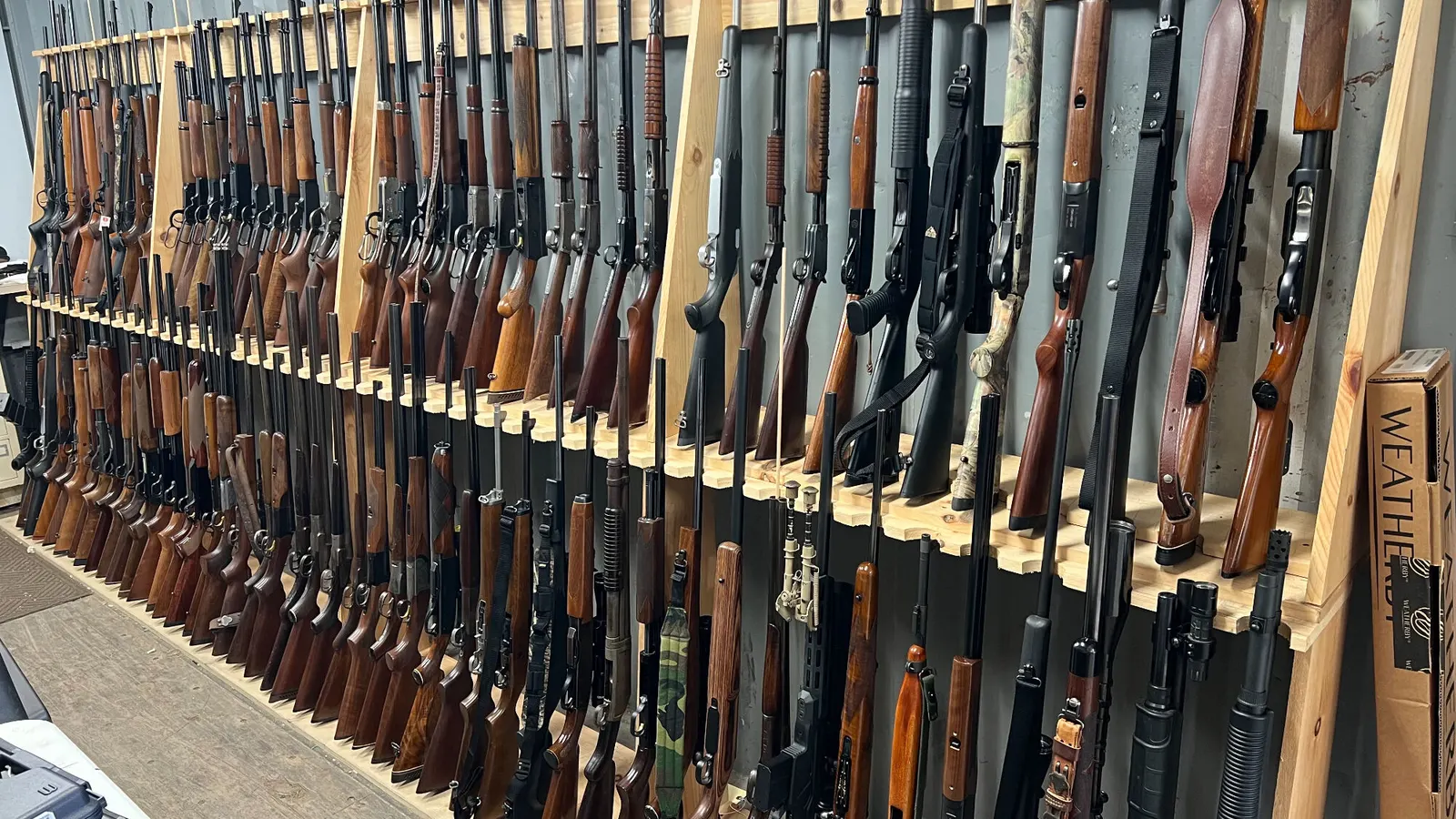
Selling a Non-Restricted Firearm Privately in Canada
What a legal transfer actually requires and how to verify a buyer before handing anything over.
Contents
A private sale in Canada comes down to one core obligation: you must not transfer a firearm to anyone who does not hold a valid licence, and it is the seller’s responsibility to confirm that.
Step 1: Confirm the buyer holds a valid licence
Start by making sure the licence actually belongs to the buyer. The photo, name, and date of birth must match.
You must then verify the licence through the Canadian Firearms Program. A licence can be expired, suspended, revoked, borrowed, or forged, and any mistake falls on the seller.
There are two ways to verify a licence:
By phone, by contacting your provincial Chief Firearms Officer during business hours. You’ll need the buyer’s licence number, name and date of birth. Source: RCMP, Chief Firearms Officer Offices: https://www.rcmp-grc.gc.ca/en/firearms/chief-firearms-officers (rcmp-grc.gc.ca)
Online, through the RCMP’s Web Services for Individuals. Verification requires the licence number, date of birth and the email address on the buyer’s file. Source: RCMP, Web Services for Individuals: https://www.rcmp-grc.gc.ca/en/firearms/web-services-individuals (rcmp-grc.gc.ca)
If a buyer refuses or tries to avoid verification, do not complete the sale. Selling without verification can result in legal consequences for the seller.
Step 2: Agree the terms before anyone drives anywhere
Agree on the price and the method of payment. If the buyer is far away, decide who pays for shipping and confirm that your chosen carrier will accept the package before you commit.
Be cautious of anyone who wants to send more than the asking price, insists on a payment method that can be reversed easily, or refuses to meet in a reasonable public location.
Step 3: Hand it over properly
For an in‑person handoff, the firearm must be unloaded, with the action open or a secure locking device installed, and placed in a proper transport case. It only takes one careless moment in a parking lot or public space to attract unwanted attention.
Source: Storage, Display, Transportation and Handling Regulations (SOR/98‑209): https://laws-lois.justice.gc.ca/eng/regulations/SOR-98-209/ (laws-lois.justice.gc.ca in Bing)
The buyer is responsible for bringing their own case and lock unless you’ve agreed otherwise. If nothing was arranged beforehand, it's buyer's responsibility to arrive prepared to transport the firearm legally.
Step 4: Keep a record
For unrestricted firearms, you are not required to keep a personal record. Still, a simple note can answer the only question that matters if the firearm ever resurfaces: when it stopped being yours.
Common questions
- Do I have to verify the buyer's licence?
- Yes. Every transfer must go through the Canadian Firearms Program’s licence verification system. Handing a firearm to someone who does not hold a valid licence is an offence for both the buyer and the seller.
- Can I ship a firearm to a buyer in another province?
- Unrestricted firearms may be shipped through carriers that accept them, provided the package is plain, secure, and gives no indication that it contains a firearm. Always confirm the carrier’s policy before you commit to shipping.
- Does the buyer need a licence to buy ammunition from me?
- Yes. A PAL has long been mandatory for buying ammo in Canada, and since September 1, 2024, the same licence is required for importing ammunition as well.
- Should I keep a record of the sale?
- The law does not require private sellers to keep records for unrestricted firearms. However, if a firearm you once owned ever resurfaces, a simple note of when it left your possession is the easiest way to show the transfer was lawful.
Sources and verification
This article is not legal advice. Always confirm with the official source before acting on it.